

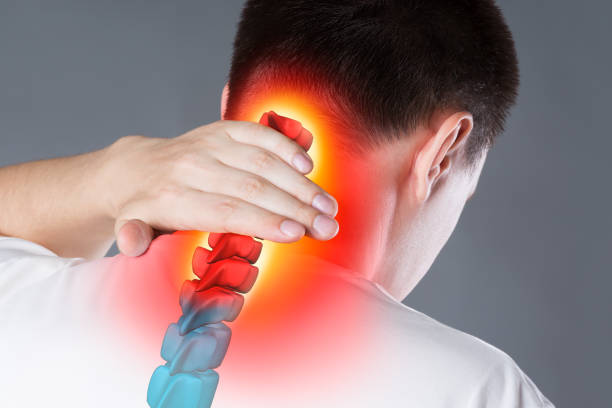
Cervical Pain (Neck Pain): Causes, Daily Triggers, Relief & Long-Term Understanding
Veezna Wellness • Clarity before action
Cervical pain—commonly known as neck pain—is no longer limited to old age or physical labor. Today, it affects students, office workers, homemakers, drivers, and even teenagers. Most people don’t remember when it started. They only know that one day, turning the neck became uncomfortable, sleep felt disturbed, or pain quietly started spreading to the shoulders and arms.
At Veezna Wellness, we don’t see cervical pain as just a “neck problem.” It is often a signal—your body’s way of saying that posture, stress, routine, and rest are out of balance. Before rushing toward treatment, understanding the pain itself brings clarity and control.
What Exactly Is Cervical Pain?
The cervical spine consists of seven small vertebrae in the neck region. These vertebrae support the head, protect nerves, and allow smooth movement. When muscles, discs, joints, or nerves in this area are strained or irritated, the discomfort is felt as cervical pain.
This pain may remain localized in the neck or travel toward the shoulders, upper back, arms, or even cause headaches. Some people feel stiffness, others experience sharp pain, while many feel a constant dull heaviness that never fully goes away.
Common Causes of Cervical Pain
- Poor posture while using mobile phones or laptops
- Long hours of sitting without movement
- Incorrect sleeping position or pillow height
- Emotional stress causing muscle tightness
- Sudden jerks or minor injuries
- Age-related wear and tear of cervical discs
Interestingly, many people with cervical pain have “normal” X-rays or MRI reports. This often creates confusion and anxiety. The pain is real—even if reports don’t show major damage.
Daily Habits That Quietly Worsen Neck Pain
Cervical pain rarely comes from one big mistake. It usually builds silently through daily habits:
- Bending the neck forward while scrolling on the phone
- Working on a screen placed below eye level
- Sleeping on very soft or very high pillows
- Holding stress in the shoulders and jaw
- Avoiding movement due to fear of pain
Over time, muscles forget how to relax. The neck remains tense even during rest, which is why pain is often worse in the morning.
Symptoms You Should Not Ignore
- Persistent stiffness or reduced neck movement
- Pain spreading to shoulders or arms
- Tingling or numbness in fingers
- Frequent headaches starting from the neck
- Pain that increases during stress
These signs do not always mean serious disease, but they do indicate that the body needs attention and understanding.
Relief Begins with Understanding
Immediate painkillers may reduce discomfort temporarily, but long-term relief often begins with small, consistent changes:
- Keeping screens at eye level
- Taking short movement breaks every 30–40 minutes
- Using a pillow that keeps the neck neutral
- Gentle neck movements—not forceful exercises
- Calming the nervous system through breathing
Fear and overthinking often tighten the neck muscles further. When the mind relaxes, the body follows.
When to Seek Deeper Guidance
If pain persists despite rest and posture correction, or if numbness and weakness increase, professional guidance becomes important. Not to rush into treatment, but to understand what your body is asking for.
Veezna Relationship Card
At Veezna Wellness, support is offered through our Relationship Card—not as a plan, but as a way to stay connected, understood, and guided.
It is for those who want clarity before action, and reassurance without pressure.
“You are not a patient here. You are a person learning to understand your health.”
You may relate if…
Cervical pain often starts quietly.
If this sounds familiar, you’re not imagining it.
क्या आपको ऐसा लगता है…
सर्वाइकल दर्द अक्सर धीरे-धीरे बढ़ता है।
अगर इनमें से कुछ आपका-सा लगे, तो आप अकेले नहीं हैं।
Your Therapy Journey
No rush. No pressure. One step at a time.
Understand what cervical pain is trying to tell you.
Notice how posture, stress, and habits affect your neck.
Choose guidance or therapy only when you feel ready.
Frequently Asked Questions
Is cervical pain serious?
Most cervical pain is functional, not dangerous. Understanding habits and posture often reduces it.
Can stress really cause neck pain?
Yes. Stress tightens neck muscles, reducing blood flow and increasing pain.
Should I stop moving my neck?
No. Gentle, mindful movement helps recovery more than complete rest.
अक्सर पूछे जाने वाले सवाल
क्या सर्वाइकल दर्द गंभीर होता है?
अक्सर नहीं। ज़्यादातर मामलों में यह आदतों और तनाव से जुड़ा होता है।
क्या तनाव से गर्दन दर्द हो सकता है?
हाँ। तनाव से मांसपेशियाँ कड़ी हो जाती हैं, जिससे दर्द बढ़ता है।
क्या गर्दन हिलाना बंद कर देना चाहिए?
नहीं। हल्की और सही मूवमेंट फायदेमंद होती है।
Clarity comes before action.
