

Therapy for Paralysis: Healing, Hope, and the Journey Forward
Paralysis can feel overwhelming—not only for the person experiencing it, but also for the family standing beside them. While the condition changes life suddenly, therapy opens doors to recovery, adaptation, and renewed confidence.
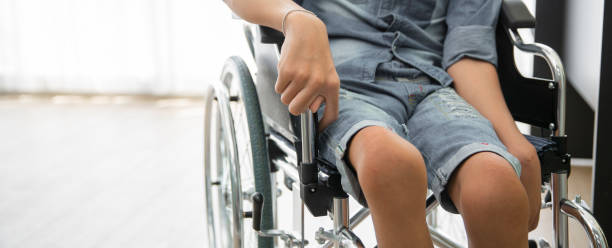
What Is Paralysis?
Paralysis is the loss of muscle movement in part or all of the body. It may affect one side (hemiplegia), both legs (paraplegia), or the entire body (quadriplegia). In many cases, sensation may also be reduced or altered.
Common causes include stroke, spinal cord injury, nerve damage, brain injury, infections, or neurological disorders. Along with physical limitations, paralysis often brings emotional challenges such as fear, frustration, and loss of independence.
Why Therapy Matters in Paralysis
Therapy is not just about movement—it is about retraining the brain, supporting the nervous system, and preserving muscle health. Even when visible movement is limited, therapy helps keep the body active and responsive.
- Prevents muscle stiffness and joint contractures
- Improves blood circulation and flexibility
- Encourages nerve stimulation and brain response
- Builds emotional strength and daily confidence
Types of Therapy Used for Paralysis
Physiotherapy: Focuses on movement exercises, posture correction, balance, and muscle strengthening.
Occupational Therapy: Helps patients relearn daily activities like eating, bathing, dressing, and writing.
Neuro Therapy: Works on coordination between the brain and muscles to improve responses.
Speech and Swallow Therapy: Beneficial if paralysis affects speech or swallowing muscles.
Mental & Emotional Support: Counseling and emotional guidance help patients stay motivated and mentally strong.
Recovery Is a Process, Not a Race
Every recovery journey is unique. Some patients notice improvement early, while others progress gradually over months or years. What matters most is consistency, patience, and a supportive environment.
Even small changes—reduced stiffness, better sitting balance, improved mood—are meaningful steps forward.
लकवे के लिए थेरेपी: सुधार, धैर्य और नई उम्मीद
लकवा न केवल शरीर को बल्कि मन को भी प्रभावित करता है। सही थेरेपी, समय और निरंतर प्रयास से सुधार संभव है और जीवन की गुणवत्ता बेहतर हो सकती है।
लकवा क्या होता है?
लकवा वह स्थिति है जिसमें शरीर के किसी हिस्से में गति समाप्त हो जाती है। यह स्ट्रोक, रीढ़ की चोट, नसों की क्षति या मस्तिष्क संबंधी कारणों से हो सकता है।
थेरेपी का महत्व
थेरेपी मांसपेशियों को सक्रिय रखने, नसों को उत्तेजित करने और शरीर को दोबारा प्रतिक्रिया देना सिखाने में मदद करती है।
- मांसपेशियों की जकड़न से बचाव
- रक्त संचार में सुधार
- दर्द और असहजता में कमी
- आत्मविश्वास और मानसिक संतुलन
Frequently Asked Questions (FAQs) | अक्सर पूछे जाने वाले सवाल
Can paralysis improve with therapy?
Yes, many people experience improvement with regular therapy, depending on the cause and consistency.
क्या थेरेपी से लकवे में सुधार हो सकता है?
हाँ, सही और नियमित थेरेपी से कई मामलों में सुधार देखा गया है।
How long does paralysis therapy take?
There is no fixed duration. Recovery depends on individual condition and response.
लकवे की थेरेपी में कितना समय लगता है?
इसका कोई निश्चित समय नहीं होता, यह व्यक्ति की स्थिति पर निर्भर करता है।
Is therapy painful?
Most therapies are gentle and adjusted to patient comfort.
क्या थेरेपी दर्दनाक होती है?
अधिकतर थेरेपी सुरक्षित और आरामदायक होती हैं।
Support That Walks With You
Some patients and families prefer guided wellness support that focuses on physical awareness, mental strength, and lifestyle balance together.
Veezna Wellness Membership is created for those who want structured guidance, emotional clarity, and holistic wellness support—at their own pace.
